

Written by Corey Finklestein,
- Make the last drives count
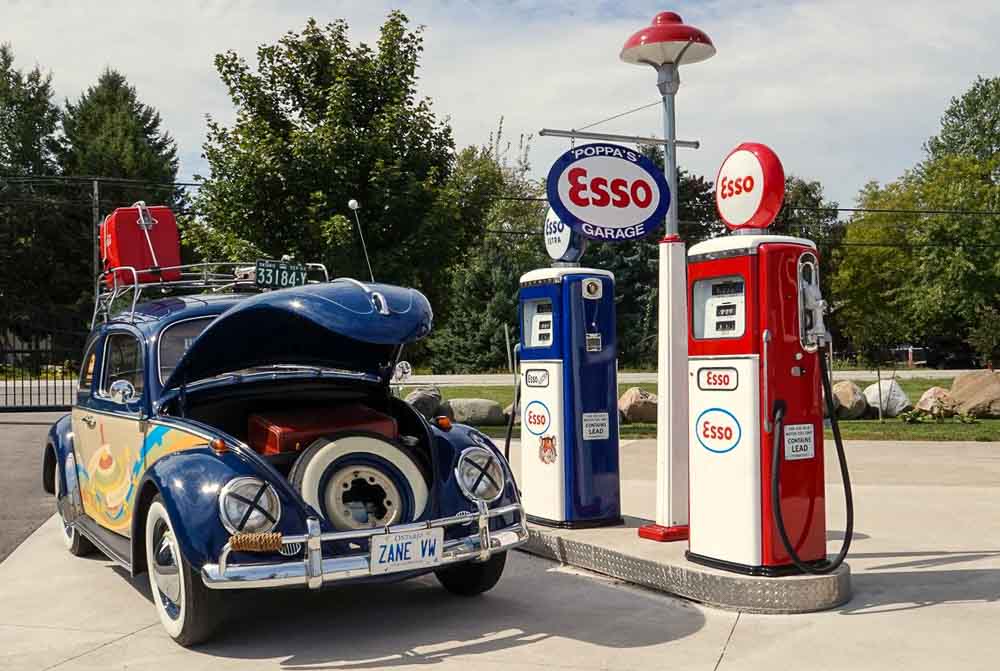
Get out for a few more drives while the roads are dry and the salt trucks haven’t started rolling. When you’re ready to put the car away, make your final stop the gas station so you can fill up before heading to storage.
- Fill up and stabilize the fuel
Add a fuel stabilizer suitable for your fuel system, then fill the tank if appropriate for your vehicle. A full tank leaves less room for condensation in older steel tanks. Follow the stabilizer manufacturer’s instructions, including how long the engine needs to run to circulate the treated fuel.
- Change the oil before storage
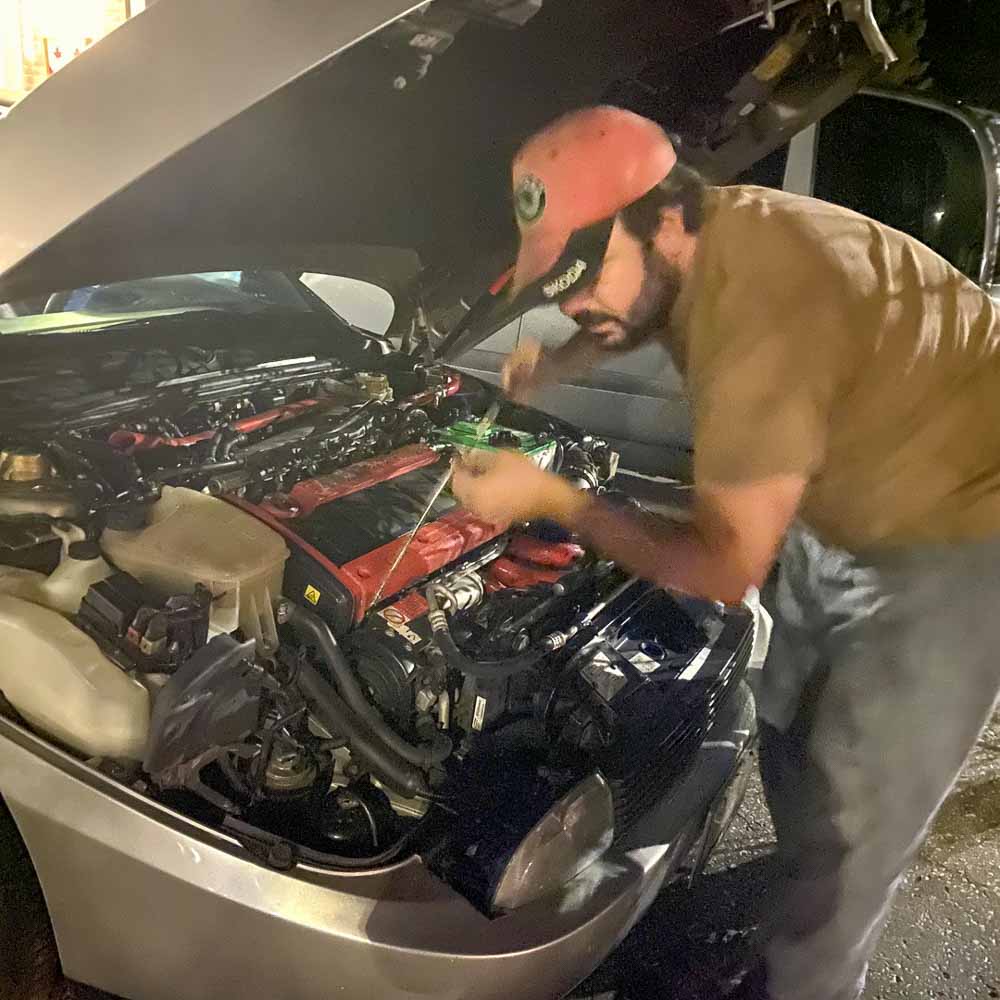
Don’t leave a season’s worth of used oil sitting in the engine all winter. Change the oil and filter before putting the car away, then run the engine to operating temperature to circulate the fresh oil.
- Check the coolant
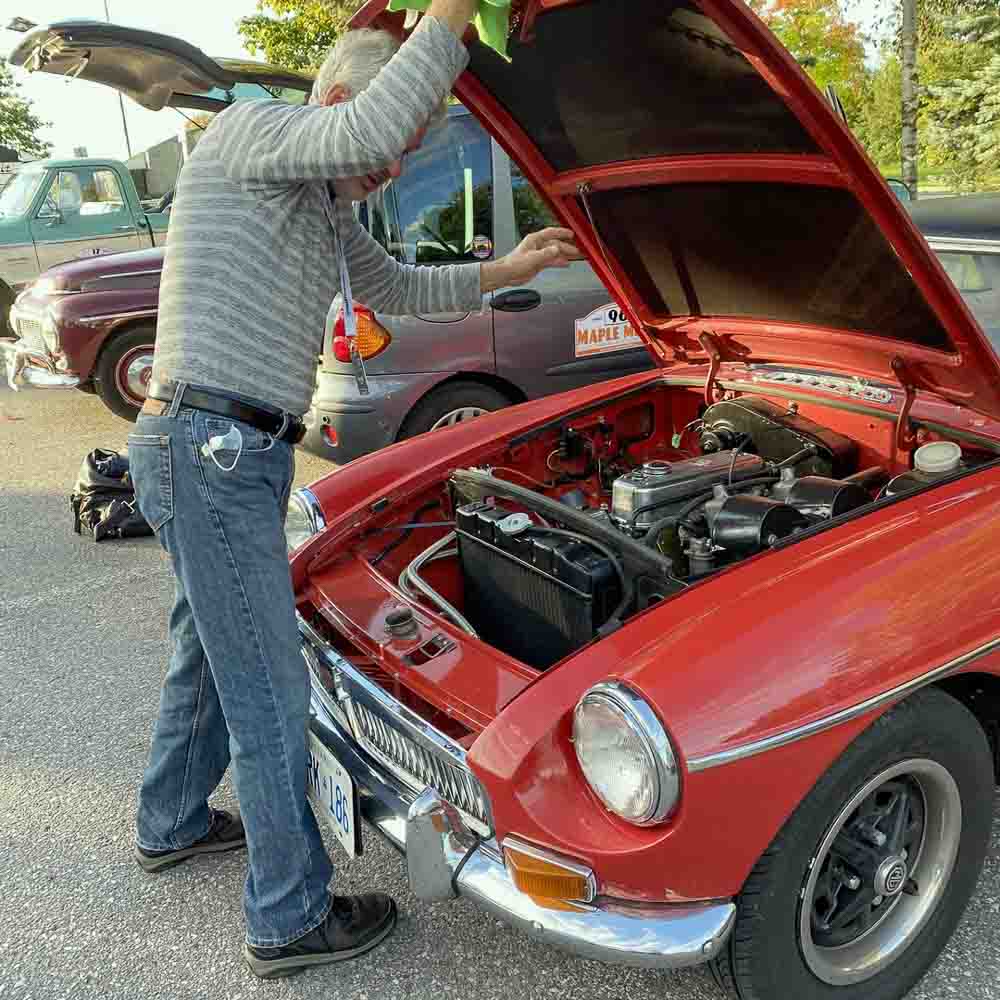
If your car has a liquid-cooled engine, check the antifreeze protection against the coldest temperature your storage space could reach. If the coolant is old or its condition is questionable, have it tested and replace it if necessary. Air-cooled engines can skip this step.
- Look after the battery
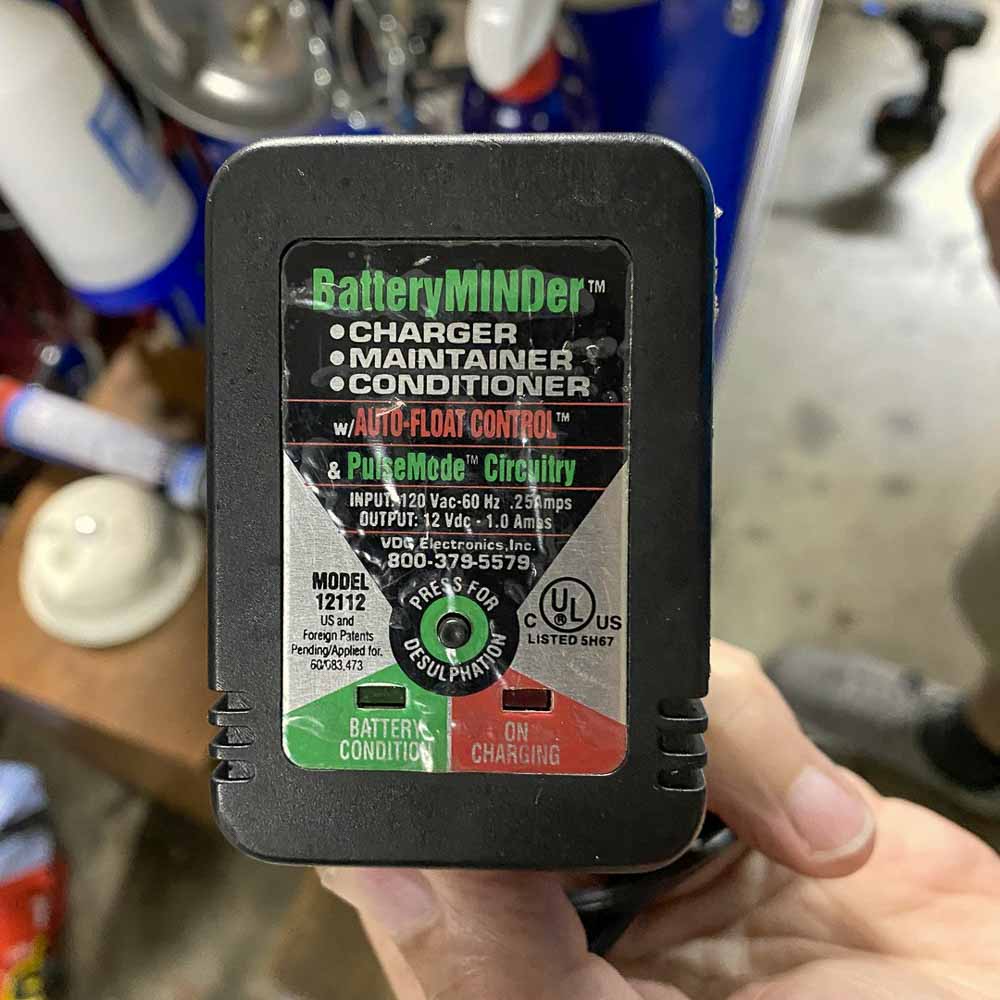
A smart battery maintainer is a good option if you have power in your storage space. Otherwise, follow the vehicle and battery manufacturer’s advice on disconnecting or removing the battery. Keep it charged and store it in a suitable location. A discharged battery is more vulnerable to freezing than a fully charged one.
- Give the tires some attention
Check tire pressures before storage and follow the tire manufacturer’s guidance for extended parking. Tire cradles can help distribute the load, and moving the car periodically may help reduce flat spotting if your storage arrangement allows it. Remember to check pressures again before driving in the spring.
- Think carefully before using jack stands
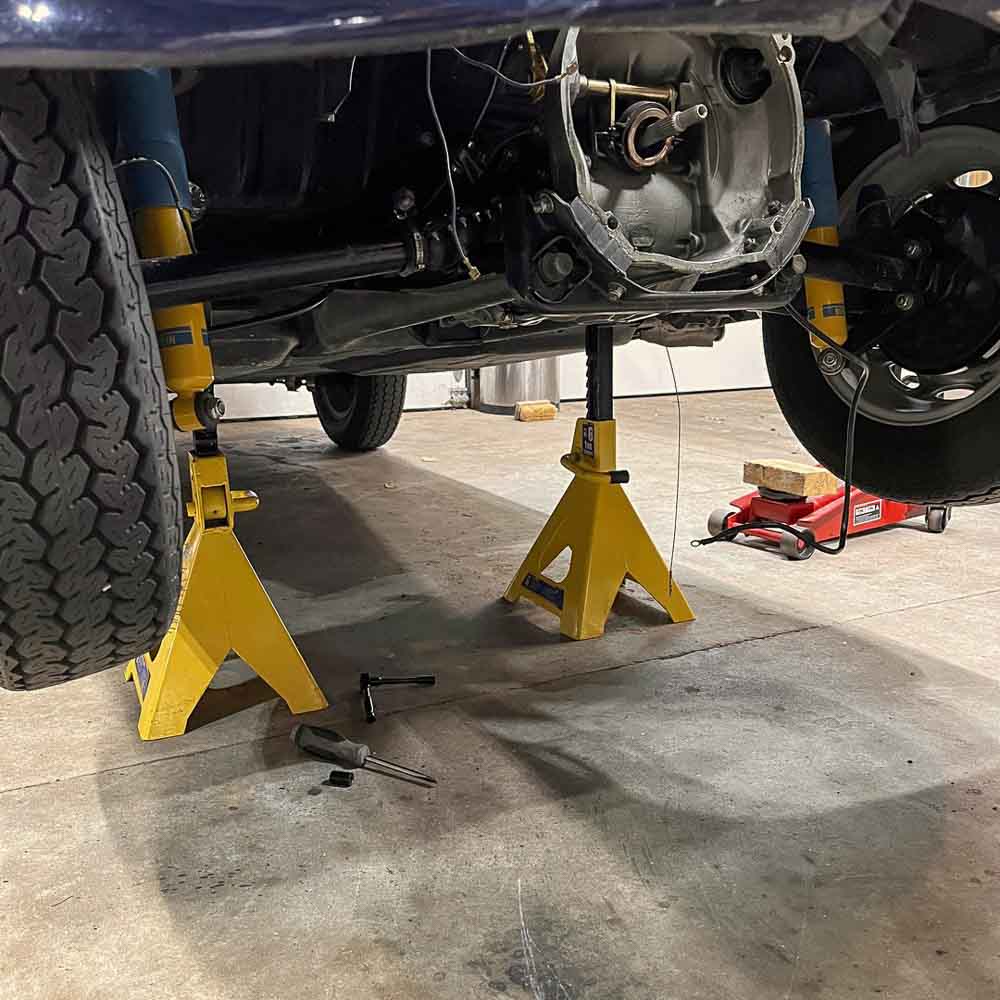
Stands can make sense for a long storage period, but the right approach depends on the car’s suspension and how it should be supported. Follow the manufacturer’s guidance and use properly rated stands on solid, level ground. Never rely on a jack alone to support a vehicle.
- Choose your shelter carefully
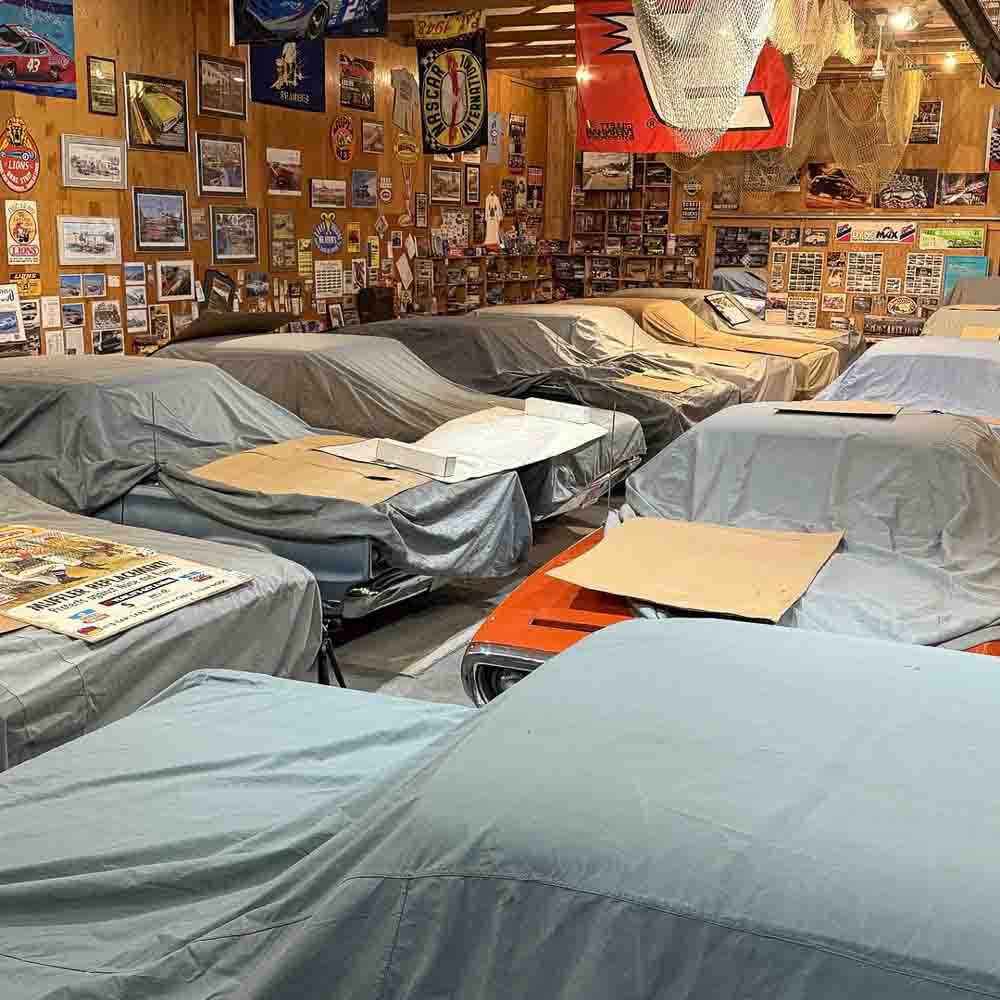
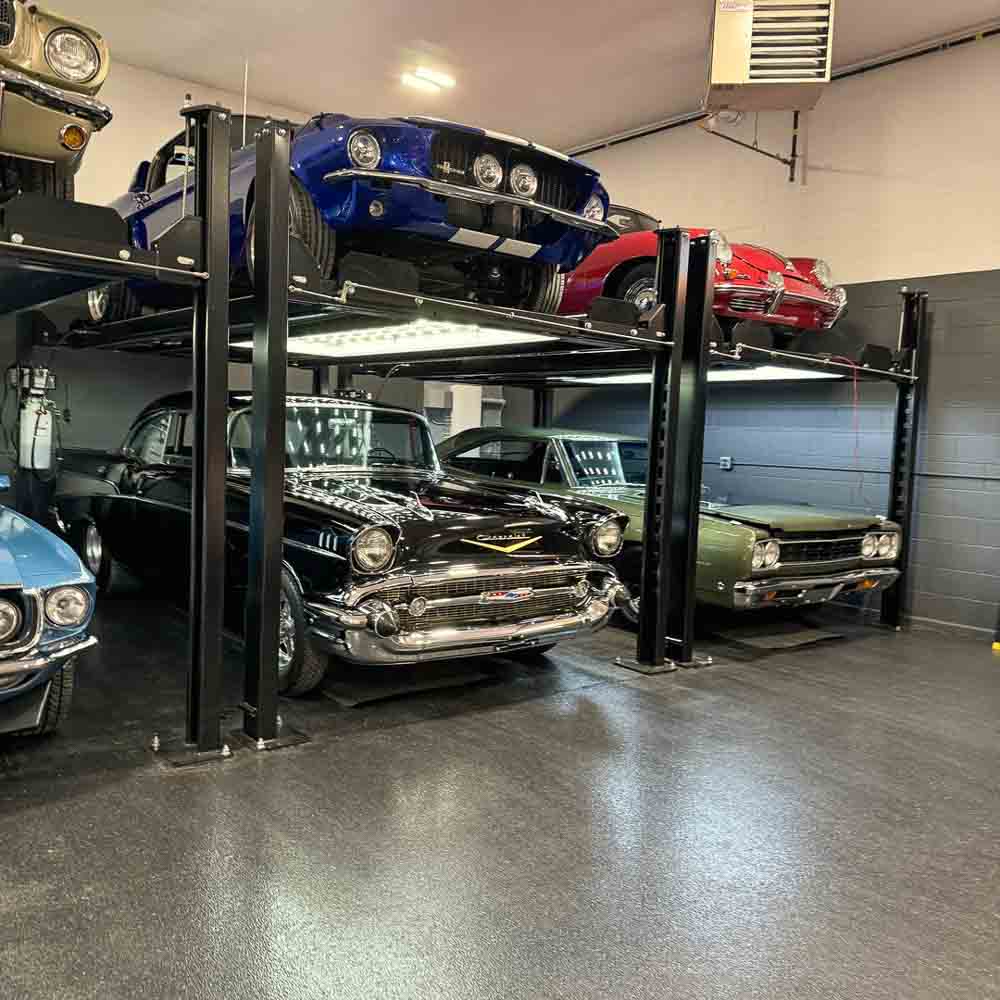
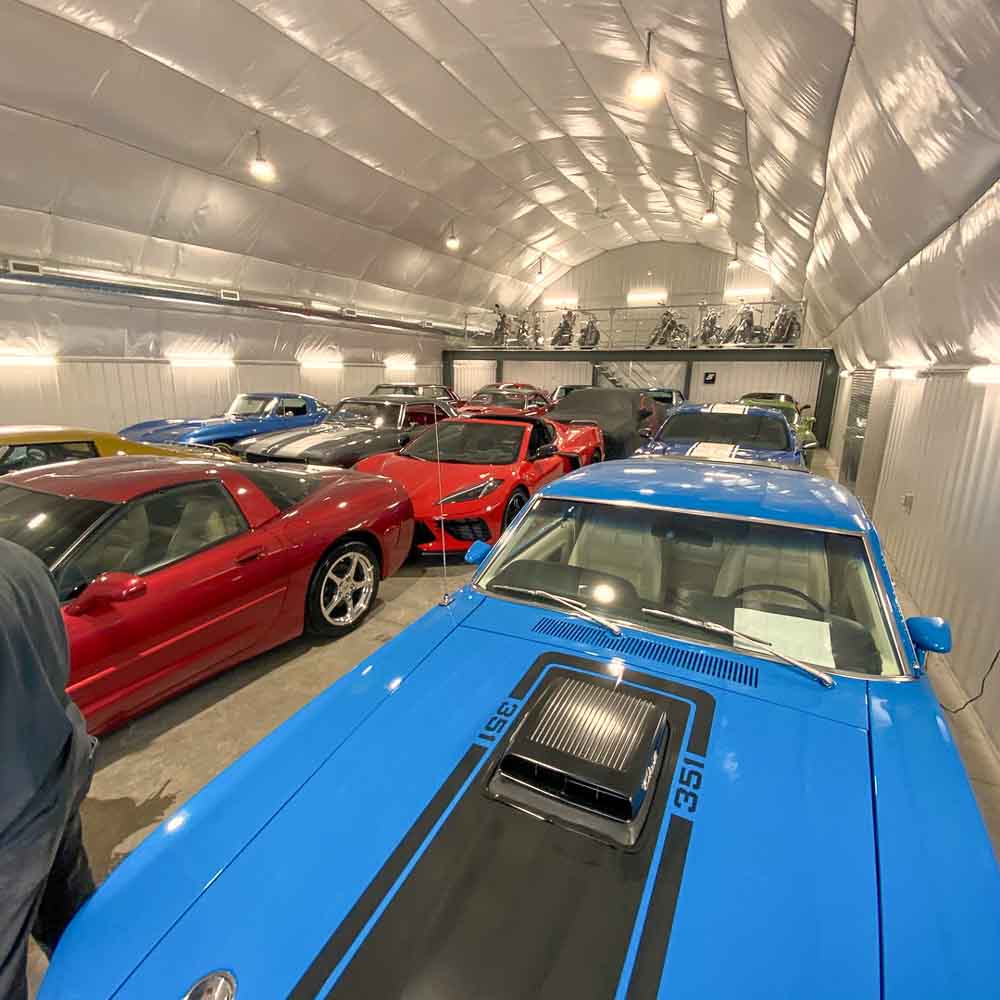
A dry, secure and well-ventilated garage is ideal. Manage moisture on the floor and avoid trapping dampness under the car. If you’re using a fabric shelter or carport, remember that heavy, wet snow and ice can cause a collapse. Check the structure regularly and follow the manufacturer’s instructions for snow removal.
- Keep out mice and moisture
Mice can do an astonishing amount of damage to wiring, upholstery and other parts of a car. Block the exhaust and air intake with suitable removable plugs, and leave a prominent reminder so they’re removed before starting the engine. Set traps around the storage area rather than inside the car. Leave the parking brake off where safe to do so, chock the wheels, and cover the clean car with a breathable cover. Avoid plastic tarps that can trap moisture.
- Get your paperwork in order
Take photos of the exterior, interior, engine bay and odometer. Keep track of receipts, parts and work completed during the season. If you’ve made significant improvements or changes, speak with your broker about whether your appraisal and agreed value still reflect the car.
Coverage While It Sleeps: OPCF 19A
Winter storage is also a good time to review your insurance. A Zehr Vintage C.A.R.S. policy with the OPCF 19A agreed value endorsement can maintain coverage throughout the year, including collision when that coverage is included in the policy. That matters when a car is moved around a shared garage, transported to storage or damaged in an incident during the winter.
Some owners with a regular auto policy choose to suspend coverage for the winter using an OPCF 16 endorsement. This suspends specified coverages, including collision or upset, and generally removes liability, accident benefits and direct compensation property damage coverage for the period of suspension. Comprehensive coverage may remain, subject to the policy terms.
The important thing is to understand what you’re giving up before making a change. If your car needs to be moved or transported during the storage period, don’t assume your usual coverage is still in place. Talk to your broker before making changes to your policy.
This article provides general information only, not legal or insurance advice. Coverage is subject to the terms, conditions and exclusions of the policy.
About Zehr Insurance
At Zehr Insurance, we work with contractors to free up cashflow and support project completion through surety bonds. Bond facilities are to limited to only large construction firms. If your company is financially strong and you are interested in exploring bonding options, please contact our office.
Call Zehr Insurance brokers and see if we can help you with your insurance needs.